


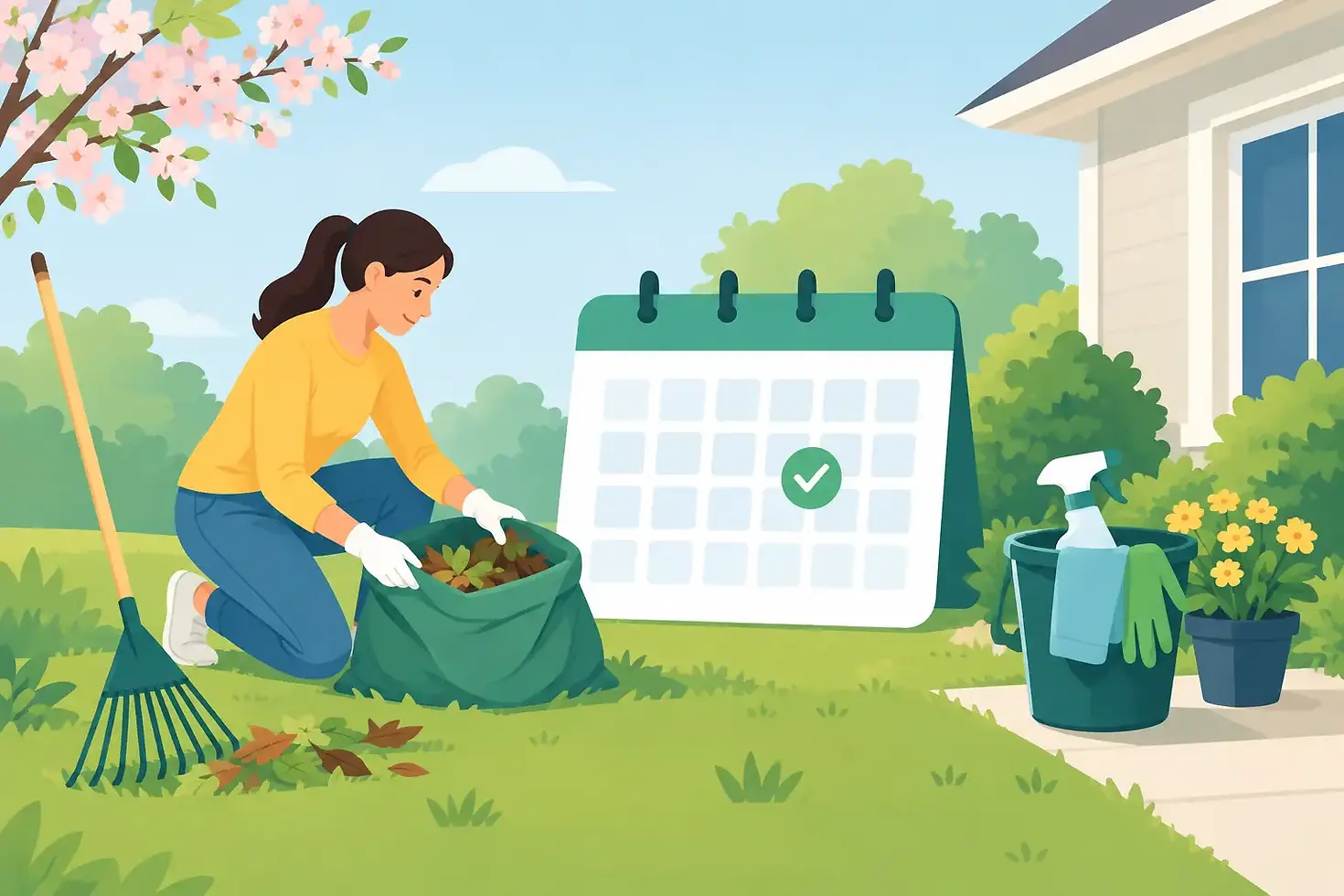
How to Schedule Spring Cleanup at the Right Time
A Rhode Island yard can look very different in late March than it does two weeks later. Snow piles recede, saturated ground starts to firm up, and all the branches, sand, leaves, and winter debris become visible at once. Knowing how to schedule spring cleanup means booking early enough to secure a dependable crew while choosing a date that lets the work be done properly.
For homeowners, landlords, and property managers, a spring cleanup is more than a cosmetic reset. It helps protect lawns, keeps walkways clear, prepares planting beds, and gives you a clear look at damage that winter may have caused. A well-planned service visit also makes it easier to move into regular mowing, landscape improvements, repairs, or material delivery without starting the season behind.
Start Planning Before the Ground Fully Dries
The best time to request a spring cleanup is usually late winter through early spring, before the busiest part of the landscaping season. In Greater Rhode Island, that often means reaching out in February or March for an April appointment, depending on weather conditions and the size of the property.
You do not need to wait until every last patch of snow is gone to get on the schedule. In fact, waiting can leave you with fewer appointment options, especially if you need cleanup work completed before a tenant move-in, a property inspection, a grand opening, or the start of a mowing contract.
The actual service date should be flexible. A responsible crew will not want to rake, haul, or run equipment across soft, muddy ground if doing so will leave ruts or damage turf. Ask for a scheduling window rather than insisting on one specific day. That gives the contractor room to work around rain, late snow, frozen ground, and drainage issues while still keeping your property a priority.
Decide What Your Spring Cleanup Should Include
“Spring cleanup” can mean a quick leaf pickup for one property and a full grounds reset for another. Before requesting an estimate, walk the property and make a simple note of what you can see. This helps the contractor price the job accurately and send the right equipment and crew.
A typical cleanup may include leaf and branch removal, clearing winter sand and debris from hard surfaces, cutting back dead plant material, edging beds, removing litter, and hauling away collected waste. On larger properties, it may also include clearing drainage areas, cleaning common walkways, preparing parking-lot edges, and addressing storm-damaged limbs.
Think beyond what is visible from the street. Check behind sheds, along fences, around dumpsters, beside exterior stairs, and at the edges of parking areas. These are places where winter debris gathers and where small maintenance concerns can be missed. If you manage a commercial site, inspect entrances, accessible paths, loading areas, and customer parking first. Those areas affect safety and curb appeal right away.
Be clear about what you want left on-site versus removed. Some owners prefer brush or leaves moved to a designated area, while others need complete hauling. If you have a compost area, a stockpile of stone, or materials that must not be disturbed, point those out before work begins.
How to Schedule Spring Cleanup With the Right Information
When you call or request an estimate, provide the property address, the type of property, and a practical description of the work. Mention whether the site is residential, a rental, a commercial property, or a multi-unit building. Include any time-sensitive deadline, such as an event, inspection, landscaping installation, or first mowing date.
Photos can be useful when requesting an estimate, particularly for overgrown beds, downed branches, large debris piles, or areas with limited access. They do not replace an in-person evaluation on every job, but they can help a local contractor understand the scope before arriving.
It also helps to explain access conditions. Let the crew know about gates, locked yards, narrow driveways, low-hanging wires, parked vehicles, pets, or tenant coordination. If the cleanup requires hauling, ask where trucks and trailers can stage without blocking a neighbor, business entrance, or fire lane.
For properties with several needs, ask whether the cleanup can be coordinated with other work. A single provider may be able to handle lawn service, mulch or gravel delivery, small demolition, excavation support, drainage-related repairs, or general property fixes in the same planning conversation. Combining work does not always mean it should all happen on one day, but it can reduce repeat visits and make the season easier to manage.
Book Earlier for Larger or Commercial Properties
A modest residential cleanup may fit into an opening created by weather changes. Larger properties usually require more lead time. If your site has multiple buildings, extensive lawn areas, long sidewalks, mature trees, large debris, or recurring maintenance needs, schedule the estimate early and confirm the work scope in writing.
Commercial properties have additional considerations. Businesses need safe entrances and presentable grounds, but they also need work completed with minimal disruption. Ask whether the crew can schedule around customer traffic, deliveries, school hours, tenant activity, or office operations. A clear plan is especially valuable when equipment, trucks, and debris removal are involved.
Property managers should also consider who has authority to approve extra work. Spring cleanup often reveals damaged curbing, broken edging, drainage problems, fallen fencing, or areas that need repair. Establishing a contact person and approval process ahead of time prevents a small issue from holding up the rest of the work.
Prepare the Property Before the Crew Arrives
A little preparation keeps the appointment productive. Move vehicles away from the work area, unlock gates, and remove loose items from the lawn and driveway. Mark irrigation heads, low landscape lighting, utility covers, or other features that may be hidden under leaves and debris.
If pets use the yard, make arrangements to keep them safely inside during the visit. For rentals or commercial sites, notify tenants and staff if crews will be working near entrances, parking spaces, or common areas. Simple communication avoids frustration and gives the team room to work safely.
You should also identify items that need special handling. This includes construction debris, old fuel containers, hazardous waste, large appliances, oil tanks, or materials that cannot go into ordinary yard-waste hauling. These items may require a different service plan, disposal method, or permit. Mention them upfront rather than adding them to a cleanup pile on the day of service.
Turn Cleanup Into a Seasonal Property Plan
The most cost-effective spring cleanup is usually the one that leads directly into a realistic maintenance plan. Once the yard is clear, it becomes easier to see whether you need weekly mowing, mulch installation, pruning, grading help, repairs, or a new planting area. It also becomes easier to spot issues that could get worse during spring rain.
For many Rhode Island properties, recurring lawn care after cleanup keeps the work from piling up again. Commercial clients may benefit from a regular grounds schedule that covers mowing, trimming, debris pickup, and seasonal touch-ups. Homeowners may prefer a simpler plan focused on lawn care and a few larger projects scheduled around it.
CSG Construction & Landscaping can help property owners coordinate spring cleanup with the practical site work and ongoing outdoor services that follow. The goal is not to sell work you do not need. It is to make sure the first visit sets your property up for a cleaner, safer, less stressful season.
Do Not Let Perfect Weather Delay the Call
Spring weather is unpredictable, and cleanup dates may shift when conditions are too wet, icy, or unstable for quality work. That is normal. What matters is getting your property on a contractor's schedule early, defining the scope clearly, and allowing enough flexibility for the job to be completed without cutting corners.
A quick walk around your property this week can reveal what winter left behind and what needs attention first. From there, a clear estimate and a realistic service window can turn a messy spring opening into a property that is ready for the months ahead.



Comments