


Are Oil Tanks Hazardous? Risks for RI Properties
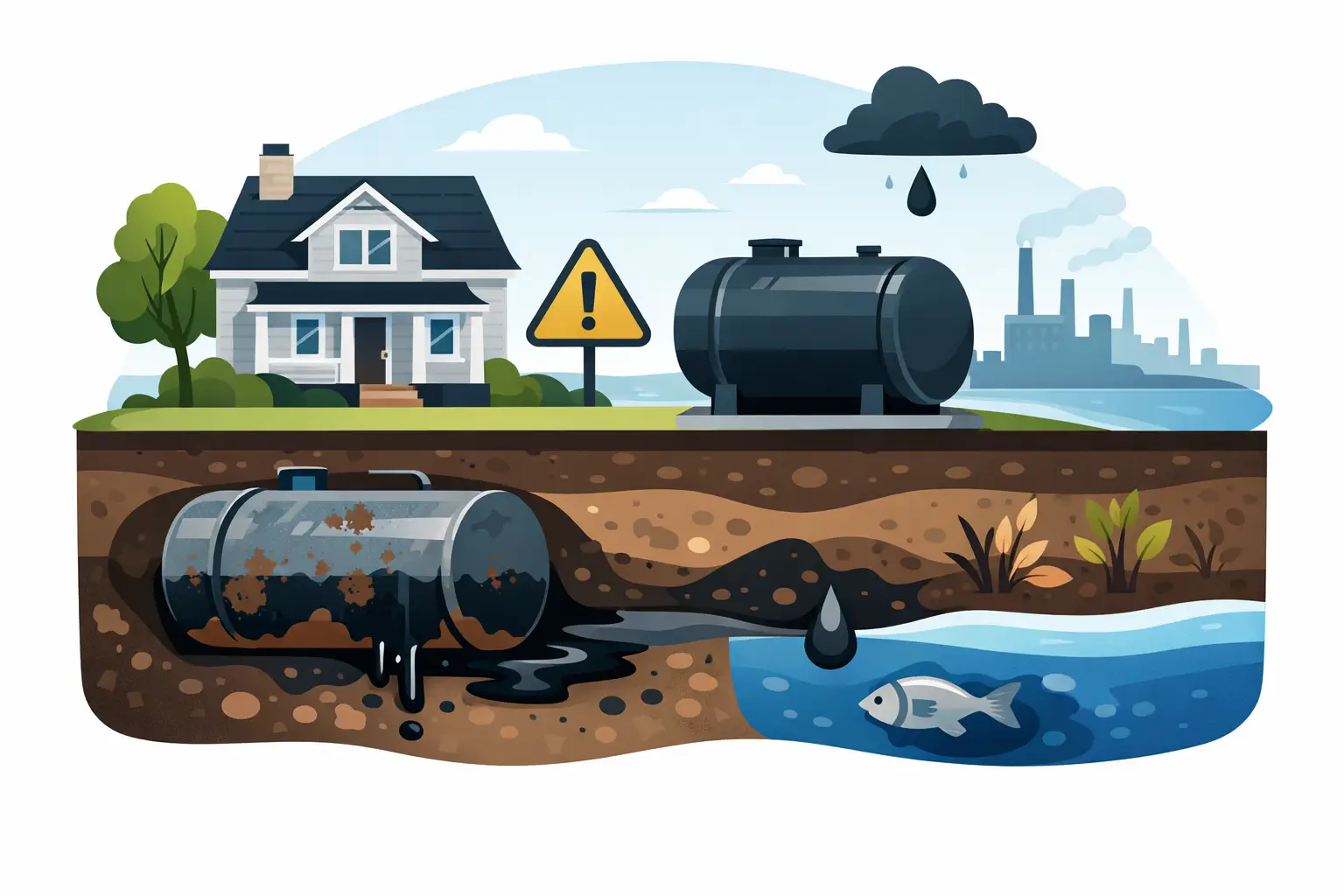
A heating-oil tank can sit quietly in a basement, garage, yard, or underground for decades. That does not mean it should be ignored. Are oil tanks hazardous? They can be, particularly when a tank is old, damaged, improperly connected, or no longer in service. The biggest concern is usually not the oil itself during normal operation. It is the potential for a leak, spill, fire hazard, or expensive contamination issue when equipment fails.
For Rhode Island homeowners, landlords, and commercial property managers, the practical goal is simple: know what kind of tank is on the property, watch for warning signs, and deal with a problem before it becomes a larger cleanup or safety project.
Are Oil Tanks Hazardous When They Are in Good Condition?
A properly installed, well-maintained heating-oil tank is generally safe to operate. Heating oil is less volatile than gasoline, so it does not ignite as easily under ordinary conditions. That is one reason many New England properties have relied on oil heat for years.
Still, “generally safe” is not the same as risk-free. Tanks age from the inside and outside. Condensation can create water buildup and internal corrosion. Outdoor tanks face rain, snow, ice, sun exposure, and shifting ground. Basement tanks can rust near their legs, seams, fill pipes, or bottom surface where a slow leak may go unnoticed.
The level of hazard depends on the tank’s age, location, condition, capacity, and whether it is active, abandoned, or partially removed. A newer tank with sound lines and regular service has a very different risk profile than an old underground tank with an uncertain history.
The Main Risks of an Oil Tank
Leaks and environmental contamination
A leaking tank is the most serious concern for many property owners. Even a slow leak can allow heating oil to move into soil, groundwater, a basement floor, or nearby drains. Oil odors may become noticeable inside the building, and contamination can spread farther than expected depending on the site conditions.
Aboveground tanks are often easier to inspect, which helps owners catch trouble early. Underground tanks can be more complicated because corrosion and leakage may remain hidden until there is a strong odor, stained soil, a failed inspection, or evidence found during excavation.
Cleanup costs can increase quickly once oil reaches soil or groundwater. For landlords and commercial owners, a contamination issue can also affect tenants, operations, insurance claims, property value, and future sales.
Fire and indoor safety concerns
Heating oil is combustible. A tank, fuel line, or fitting that leaks near a boiler, burner, electrical source, or other ignition point creates an avoidable safety concern. While oil is not as easily ignited as gasoline, spilled fuel should never be treated as harmless.
A leak inside a basement or utility area can also create slippery conditions and strong odors. In a commercial building, that can become a workplace and liability issue. Damaged vent pipes, fill pipes, and loose connections may increase the chance of spills during fuel delivery as well.
Structural and property damage
Oil leaks do not always announce themselves with a dramatic spill. A small drip from a line or tank bottom can soak into concrete, wood framing, stored belongings, insulation, or finished basement materials. Over time, the odor can be difficult to remove.
A tank that is poorly supported is another concern. Rusted legs, uneven ground, or a weak base can cause a tank to shift or tip. Outdoor tanks need stable support that can handle changing Rhode Island weather and soil conditions. Snow clearing equipment, vehicle traffic, falling branches, and accidental impacts can also damage an exposed tank.
Warning Signs That Should Not Be Ignored
Property owners do not need to be tank experts to recognize common signs of trouble. A strong petroleum smell in a basement, utility room, yard, or near a tank should be investigated. So should visible rust, wet spots, dark stains, drips, warped metal, damaged pipes, or a tank that appears to be leaning.
Unexpected increases in fuel use may point to a heating-system issue, but they can also be a reason to inspect the tank and fuel lines. If fuel deliveries seem much more frequent without a clear change in weather or building use, do not assume it is normal.
For buried tanks, watch for dying grass, stained soil, oil odor near the fill or vent pipe, or unexplained sheen in standing water. These signs do not prove a tank leak, but they justify a professional evaluation.
If you discover active leaking, keep people away from the area, avoid flames and electrical sparks, and contact the appropriate emergency or qualified service professionals. Do not try to patch a corroded tank with tape, sealant, or a temporary container. That can make the situation harder to control.
Aboveground vs. Underground Oil Tanks
Aboveground and underground tanks both require attention, but their risks are different.
An aboveground tank is more visible, so corrosion, loose fittings, and leaks are usually easier to spot. It may be located in a basement, garage, shed, or outside on a pad. The trade-off is exposure. Outside tanks face weather and physical damage, while indoor tanks can cause immediate odor and property damage if they fail.
An underground tank is protected from direct weather and out of sight, but being out of sight is part of the problem. Moisture in the soil can contribute to corrosion, and leaks may go undetected for a long time. If a property has an older underground tank that is no longer used, owners should not assume it has been properly removed or closed. Records, inspection history, and a site evaluation can help determine the right next step.
When an Old or Unused Tank Should Be Removed
Removal is often worth considering when a tank is no longer needed, shows significant deterioration, has leaked, or is likely to complicate a property sale or renovation. Replacing an aging active tank before it fails can also be a practical decision, especially when visible corrosion has started.
The right approach depends on the location and condition of the tank. A basement or outdoor aboveground tank may be drained, disconnected, and removed with relatively direct access. An underground tank may require excavation and additional assessment of surrounding soil. If contamination is suspected, the work can involve more than simply taking the tank away.
This is not a job for casual demolition. Remaining fuel must be handled correctly, lines need to be disconnected safely, and the work area must be protected from spills. A qualified, insured removal team brings the right equipment and plans the job around access, nearby utilities, landscaping, and cleanup needs.
Practical Steps for Rhode Island Property Owners
Start by identifying the tank type, approximate age, and whether it is active. If you bought the property recently, review available records and ask whether any prior heating-oil tanks were removed, abandoned, or replaced. Do not rely only on a previous owner’s memory when an underground tank may be involved.
For active tanks, arrange regular inspection through a qualified heating professional and keep the area around the tank accessible. Do not stack boxes, tools, or storage items where they conceal the tank base or fuel lines. Outdoor tanks should be protected from impacts and checked after severe weather.
If you are planning demolition, landscaping, a driveway project, septic work, or excavation, mention the possible presence of an oil tank before the work starts. Knowing where old tanks and fuel lines are located protects the crew, the property, and the project budget.
CSG Construction & Landscaping helps Greater Rhode Island property owners coordinate oil tank and boiler removal with excavation, demolition, and site cleanup needs. Having one accountable local team can make a difficult property project more manageable.
An oil tank does not need to create an emergency for it to deserve attention. A quick inspection, clear records, and timely removal of a failing or unused tank can protect your property long before a small concern turns into a costly one.



Comments